


Selling a House With Solar Panels in Florida? Know This Before You List
If you're thinking about selling a home with solar panels, there's one thing you don't want to discover after you're already under contract: you aren't sure what has to happen with your solar agreement.
Whether your panels are owned, financed, or leased can affect what happens during the sale. And the answer isn't always as simple as having the buyer take over the payments.
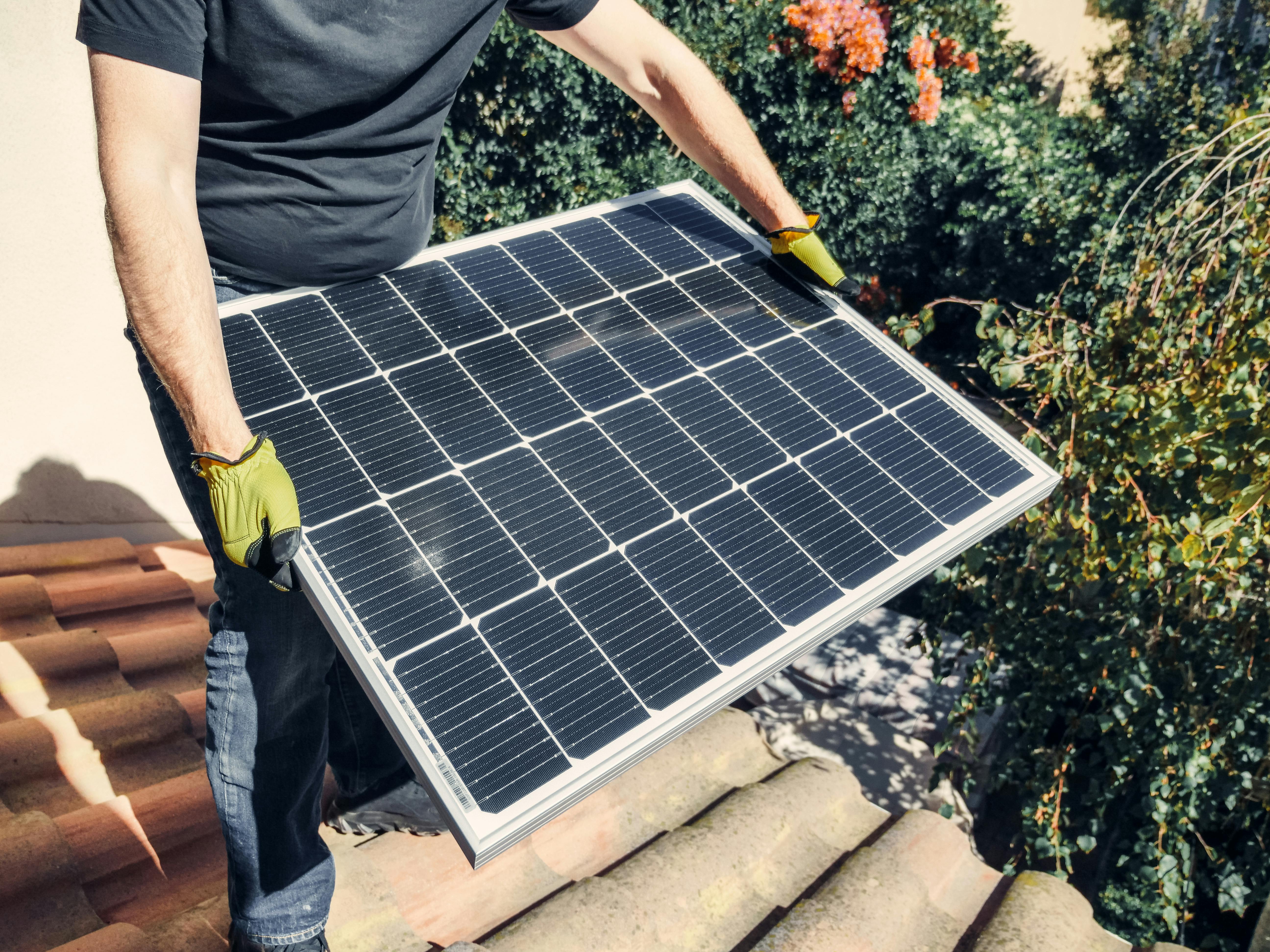
- Find out exactly how your solar system is owned or financed.
- Understand what your agreement requires when you sell.
- Handle those questions before a buyer is waiting on the answer.
Watch: The Solar Question Sellers Should Answer Before Going Under Contract
David explains the issue in under a minute—and why it's much easier to deal with before there's a buyer and a closing date involved.
Having solar panels doesn't automatically mean selling your home will be difficult. The important part is understanding your particular setup early enough to make a plan.
Here's what Central Florida homeowners should know before putting a home with solar panels on the market.
First, Find Out What Kind of Solar Agreement You Actually Have
Many homeowners simply think of them as "our solar panels."
But when you're preparing to sell, there's an important difference between panels you own outright, panels you're still paying for, and panels owned by a solar company.
Owned Outright
If you've completely paid for the system and own the solar panels, this is generally the most straightforward situation. The panels will typically stay with the property unless the sales contract says otherwise.
Financed
If you own the system but still have a solar loan, you'll want to find out the remaining balance and what your lender requires when the property is sold.
Leased or Third-Party Owned
If another company owns the equipment, your agreement may include requirements for transferring the arrangement, qualifying the buyer, buying out the system, or completing other steps.
The important part isn't guessing which situation you're in.
Pull the actual paperwork and confirm it. That's much easier to do before you have an offer and a closing timeline.
Can You Sell a House If You Still Owe Money on the Solar Panels?
In many cases, yes. Having an outstanding solar obligation does not automatically prevent you from selling your home.
But what happens next depends on the agreement.
Depending on the solar financing, there may be a payoff, transfer, assumption, or other requirement that needs to be addressed as part of the transaction.
The buyer's mortgage lender may have requirements of its own as well.
"If I sell my home, what exactly happens to this agreement?"
Then ask for the answer in writing along with any applicable payoff information, transfer requirements, fees, approval requirements, or forms.
Does the Buyer Just Take Over the Solar Payments?
Not necessarily.
This is one of the assumptions that can create confusion for sellers.
Even if your solar agreement allows a transfer, that doesn't always mean a buyer can automatically take it over. The buyer may need to meet certain qualifications, their lender may need to review the agreement, and the solar provider may have its own transfer process.
That's why it's better to know the rules before you're negotiating an offer.
Can Solar Panels Affect a Buyer's Mortgage?
They can, depending on how the system is owned or financed.
Certain solar payments or obligations may need to be considered when the buyer's lender reviews their mortgage application. Other arrangements may be treated differently.
The important takeaway for a seller isn't to become an expert in mortgage underwriting.
It's simply this: make the documentation available early so the buyer and their lender can determine what applies.
Do Solar Panels Increase the Value of Your Home?
They may influence value, but there isn't one universal number that should automatically be added to your home's asking price.
The impact can depend on several things, including whether the system is owned, how buyers in your area respond to solar, the characteristics of the system, and what comparable homes are showing in the local market.
An owned system may also be viewed differently from a leased or third-party-owned system.
Instead of assuming the amount you spent on solar equals the amount you'll get back when you sell, look at the bigger picture of your home and your specific Central Florida market.
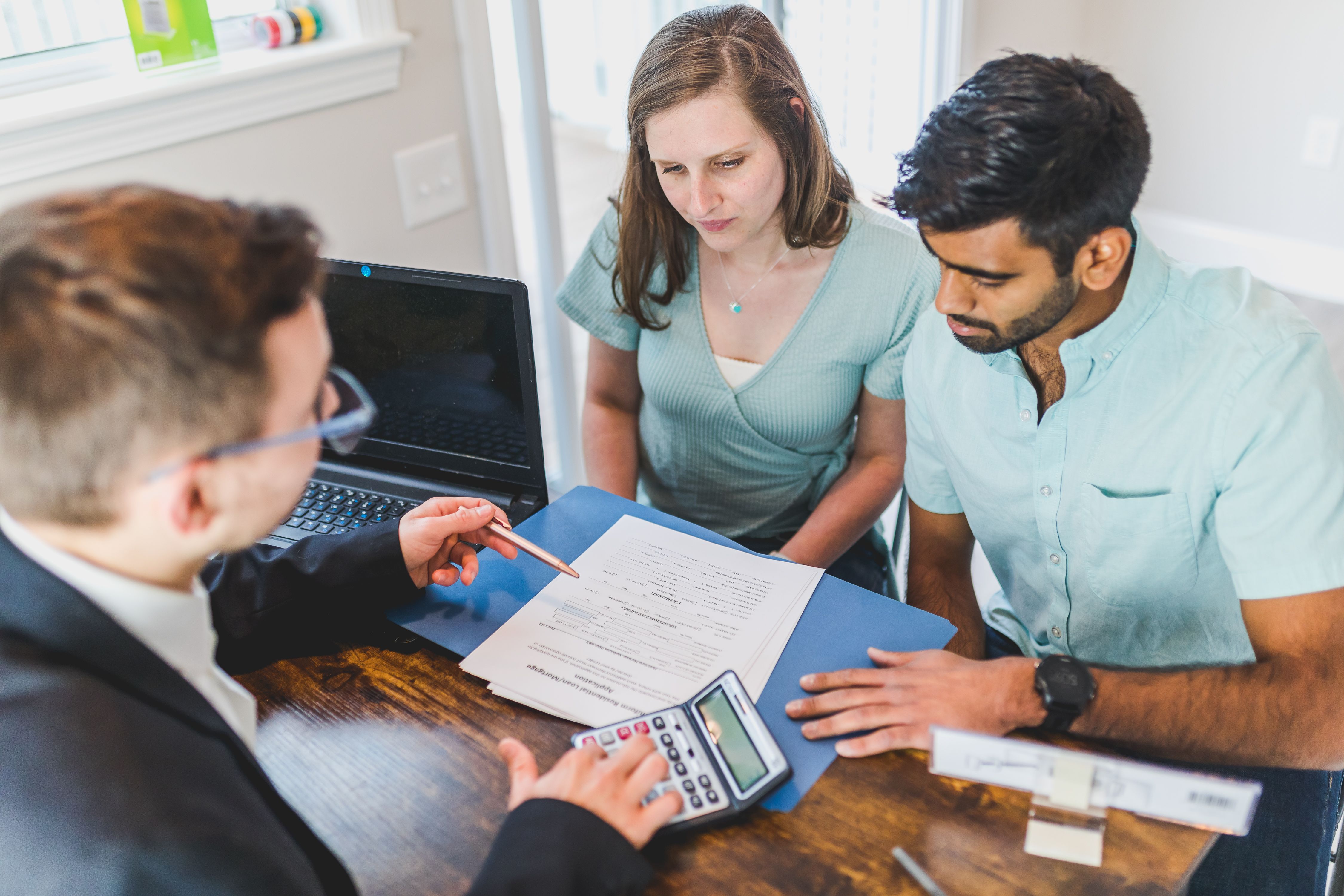
What Should You Do Before Listing a Home With Solar Panels?
You don't need to have every answer memorized.
You do want to collect the information that can help your real estate agent, the buyer, the lender, and the closing team understand the situation.
Find Your Original Solar Agreement
Pull the actual purchase agreement, financing documents, lease, power purchase agreement, or other paperwork connected to the system.
Confirm Whether You Still Owe Anything
If there is a loan, lease, or other ongoing agreement, request your current balance or account information.
Ask What Happens When the Home Is Sold
Find out whether the agreement can be transferred, whether the buyer must qualify, whether there are fees, and whether there are any payoff or processing requirements.
Gather Your Solar Documents
Keep your warranties, installation records, permits, current statements, financing information, and any available system or production documentation together.
Talk About It Before You Accept an Offer
Your real estate agent and the appropriate lender, title or closing professional, solar provider, or attorney can help clarify what applies to your situation.

The Problem We're Trying to Help Sellers Avoid
Imagine accepting an offer you're excited about.
Inspections are scheduled. You're making plans for your next home. The buyer is working through their financing.
Then someone asks: "What's happening with the solar agreement?"
And no one has the answer yet.
Now you're trying to track down documents and figure out requirements while everyone is working toward a closing date.
That's exactly why we prefer to ask these questions before the house goes under contract.
A Smoother Home Sale Usually Starts Before the Sign Goes in the Yard
Selling a home isn't only about choosing a price, taking great photos, and getting buyers through the door.
Good preparation also means identifying the details that could create questions later and getting ahead of them.
Solar panels are one example.
If you're thinking about selling your Central Florida home, understanding how your solar system fits into the sale can give you more clarity before buyers enter the picture.
Frequently Asked Questions About Selling a House With Solar Panels in Florida
Can I sell my house if I still owe money on my solar panels?
Potentially, yes. The exact process depends on the financing agreement. The remaining balance may need to be paid, transferred, assumed, or otherwise addressed as part of the sale. Review your agreement and contact your solar financing company before listing.
What happens to my solar loan when I sell my house?
That depends on the terms of your solar financing. Some agreements may allow a transfer or assumption, while others may require the remaining balance or another obligation to be addressed as part of the sale.
Does the buyer have to take over my solar loan?
Not necessarily. Whether a solar loan can be transferred or assumed depends on the agreement, the solar lender, the buyer's qualifications, and the buyer's mortgage financing.
Can I sell a house with leased solar panels?
Yes, but you'll want to review the lease carefully. Depending on the agreement, the buyer may be able to assume the lease, may need to qualify with the solar company, or another option may need to be arranged.
Do solar panels automatically transfer to the new homeowner?
Not every solar arrangement works the same way. An owned system and a leased or financed system can have very different requirements. Check the agreement before assuming the system or its payments will automatically transfer.
Will I have to pay off my solar panels before closing?
Sometimes, but not always. The answer depends on your specific financing agreement, any interests connected to the system, the buyer's financing, and the solar provider's requirements.
Can solar panels affect a buyer's debt-to-income ratio?
Certain solar payment obligations can be considered during a buyer's mortgage qualification, depending on the type of agreement and the lender's underwriting requirements. This is why having the documentation available early is helpful.
Do solar panels increase my home's value?
Solar panels can influence how buyers and appraisers view a property, but there is no universal dollar amount or percentage that should automatically be added to a home's value. Ownership, system characteristics, local market reaction, and comparable sales can all matter.
Will an appraiser give me credit for my solar panels?
It depends on the system and the market. Appraisers generally consider evidence of how buyers in the local market react to the feature. An owned solar system may also be treated differently from leased or third-party-owned equipment.
What paperwork should I gather before selling a home with solar?
Start with your original purchase, financing, lease, or power purchase agreement. Also gather current account or payoff information, warranties, installation records, permits, and any available production or monitoring records.
What is a UCC filing on solar panels?
Certain solar financing arrangements may involve a Uniform Commercial Code filing connected to the solar equipment. If one exists, your title or closing professional and solar financing company can help determine whether anything needs to be addressed as part of the sale.
What if I don't know whether my solar panels are owned, financed, or leased?
Start with your installation paperwork and recent statements. You can also contact the solar provider or financing company directly and ask them to confirm how your system is structured and what happens if you sell the property.
When should I contact my solar company if I'm planning to sell?
Ideally, before your home is listed or before you accept an offer. Getting the information early gives you more time to understand the requirements and reduces the chance of discovering an issue while working toward closing.
Thinking About Selling a Central Florida Home With Solar?
You don't have to wait until there's an offer on the table to figure out what your solar agreement means for the sale.
Let's look at the questions you should be asking now so you can make your next move with more clarity.
Call The Miller Group: 407-979-4480This article is provided for general educational purposes only and is not legal, tax, financial, lending, appraisal, title, or solar-system advice. Solar agreements, lender requirements, title matters, and individual real estate transactions vary. Homeowners should review their specific documents and consult the appropriate solar provider, lender, title or closing professional, attorney, or other qualified professional when needed.
:format(webp):quality(80)/u.realgeeks.media/themillerrealtygroup/Lake_Mary_Downtown.png)