
Thinking About Selling Your Home Yourself? Read This First.
Putting your home online may be the easy part. Pricing it, marketing it, handling showings, comparing offers and getting all the way to closing can be a different story. Here are the questions worth answering before you decide whether selling on your own is right for you.
Maybe you've looked at the process of selling a home and thought: “Why would I pay an agent when I can put my house online myself?”
That's a fair question.
Homeowners have access to more information and technology than ever before. You can take photos, write a description, post your home online and communicate directly with buyers.
The bigger question is what happens after that.
Why Do Homeowners Decide to Sell Without an Agent?
Usually, the reason makes sense.
A homeowner may be thinking:
- Why should I pay real estate compensation if I can find the buyer myself?
- I already have a pretty good idea what my house is worth.
- Homes in my neighborhood seem to sell quickly.
- I can take the photos myself.
- I may already know someone interested in buying it.
- I don't want to feel pressured by an agent.
- I've had a bad experience with an agent before.
- I don't really understand what an agent does besides putting the house online.
Those are real concerns.
And you shouldn't hire an agent just because someone tells you that you need one.
You should understand what you're paying for and decide whether that help is valuable for your particular move.
Where Does Selling Your Own Home Start Feeling Complicated?
Creating the listing may not be the hardest part.
The bigger challenge is usually everything surrounding it.
Pricing
What price gets buyers interested without unnecessarily leaving money on the table?
Preparation
What should you repair, clean, change or leave alone before buyers walk through?
Marketing
How do you move beyond simply posting the home and waiting for someone to notice it?
Showings
Who handles calls, questions, scheduling, cancellations and follow-up?
Offers
How do you compare two offers when the purchase price isn't the only difference?
The Contract Period
Who is watching inspections, financing, appraisal considerations and important deadlines?
How Do You Know What Price to Ask for Your Home?
One of the hardest parts of selling your own home is being objective about it.
You know what you paid.
You know how much you spent on the kitchen.
You remember what your neighbor sold for.
And you may already have a number in your head.
Buyers are usually thinking about something different:
That means a useful pricing strategy should consider things such as:
- Relevant recent sales
- Current competing listings
- Property condition
- Location
- Updates and improvements
- Lot and outdoor features
- Current buyer activity
- How long comparable properties have been taking to sell
If buyers aren't responding to your price, how will you know what needs to change?
The challenge isn't only choosing the first number. It's understanding what the market is telling you afterward.
Isn't Putting the Home Online the Marketing?
It's part of it.
But publishing a home and marketing a home aren't exactly the same thing.
The goal isn't just to make the property available online.
The goal is to help the right buyer understand why your home deserves their attention compared with everything else they're seeing.
Depending on the property, that may involve:
- Professional-quality photography
- Property positioning
- Strong listing copy
- Online listing distribution
- Social media exposure
- Email and database marketing
- Agent-to-agent communication
- Video when appropriate
- Open houses when useful
- Following up with interested buyers
What Happens When Buyers Want to See the House?
This part can sound fairly simple until you're living it.
One person wants to see it at 11:00.
Someone else wants 2:30.
One buyer cancels.
Another is running late.
Someone has questions afterward.
Another person wants to come back with a spouse or family member.
Meanwhile, you're still going to work, taking care of your family, handling pets and living your regular life.
Are you comfortable managing access to your home and following up with interested buyers?
That may mean coordinating schedules, questions, feedback, pets, children, work hours and keeping the property ready to show.
How Do You Know Whether an Offer Is Actually Good?
The first thing most sellers look at is the purchase price.
But an offer is more than one number.
Depending on the transaction, you may also need to understand:
- Financing
- Deposit
- Inspection terms
- Financing contingencies
- Appraisal considerations
- Requested seller concessions
- Closing timeline
- Personal-property requests
- Sale-of-property contingencies when applicable
- Other contract terms
One homeowner may care most about price.
Another may need certainty.
Someone else may need a particular closing date because they're buying their next home.
That's why knowing your priorities before the offer arrives can matter.
What Happens After You Accept an Offer?
Going under contract can feel like the finish line.
It's really the start of another phase.
Contract deadlines begin.
Different dates and responsibilities may matter throughout the transaction.
The buyer may inspect the home.
Inspection findings can create additional questions or negotiations.
Financing continues.
When financing is involved, the buyer's loan process continues behind the scenes.
An appraisal may be required.
Depending on financing, the lender may require an appraisal of the property.
Closing preparation begins.
Documents, the final walkthrough and the seller's move need to be coordinated.
What If You Need to Sell This Home and Buy Another One?
This is where many homeowners start feeling stuck.
You know the current house no longer works.
Maybe you need another bedroom.
More privacy.
A home office.
A larger yard.
Or simply a layout that fits your family better.
But getting from this house into the next one raises a different set of questions.
Your selling strategy should take into account where you're trying to go next.
So What Does a Good Real Estate Agent Actually Do?
This may be the most important question a FSBO seller can ask.
An agent shouldn't expect you to hire them simply because they can put a property into a listing system.
The value should come from everything surrounding the transaction.
Build the strategy
Help you understand your competition, positioning, pricing and timing.
Prepare the home
Help identify what may be worth fixing, changing or leaving alone before you list.
Market the property
Present and promote the home so likely buyers understand what makes it worth considering.
Manage communication
Coordinate questions, buyer agents, showing activity and feedback.
Help evaluate offers
Look beyond purchase price to the terms, timing and potential risks of the offer.
Guide the transaction
Help keep the process organized from contract through closing.
One Central Florida Family Started With the Same Question
“Why should we pay an agent when we can sell the house ourselves?”
A multi-generational family of six needed to sell their current home and purchase a larger one.
At first, they chose to sell on their own.
Their reasoning was straightforward.
If a listing agent was only going to put information into a computer, they felt they could do that themselves.
“For me, it was listing agents. The only thing they do is list. And that's what was in my mind.”
— From the family's video testimonialAfter trying to handle the sale themselves, the experience began feeling more complicated.
Eventually, they spoke with David and learned more about the strategy, marketing, communication and team working behind the scenes.
What changed their mind wasn't simply that an agent could list the home.
It was understanding what else they would be getting help with.
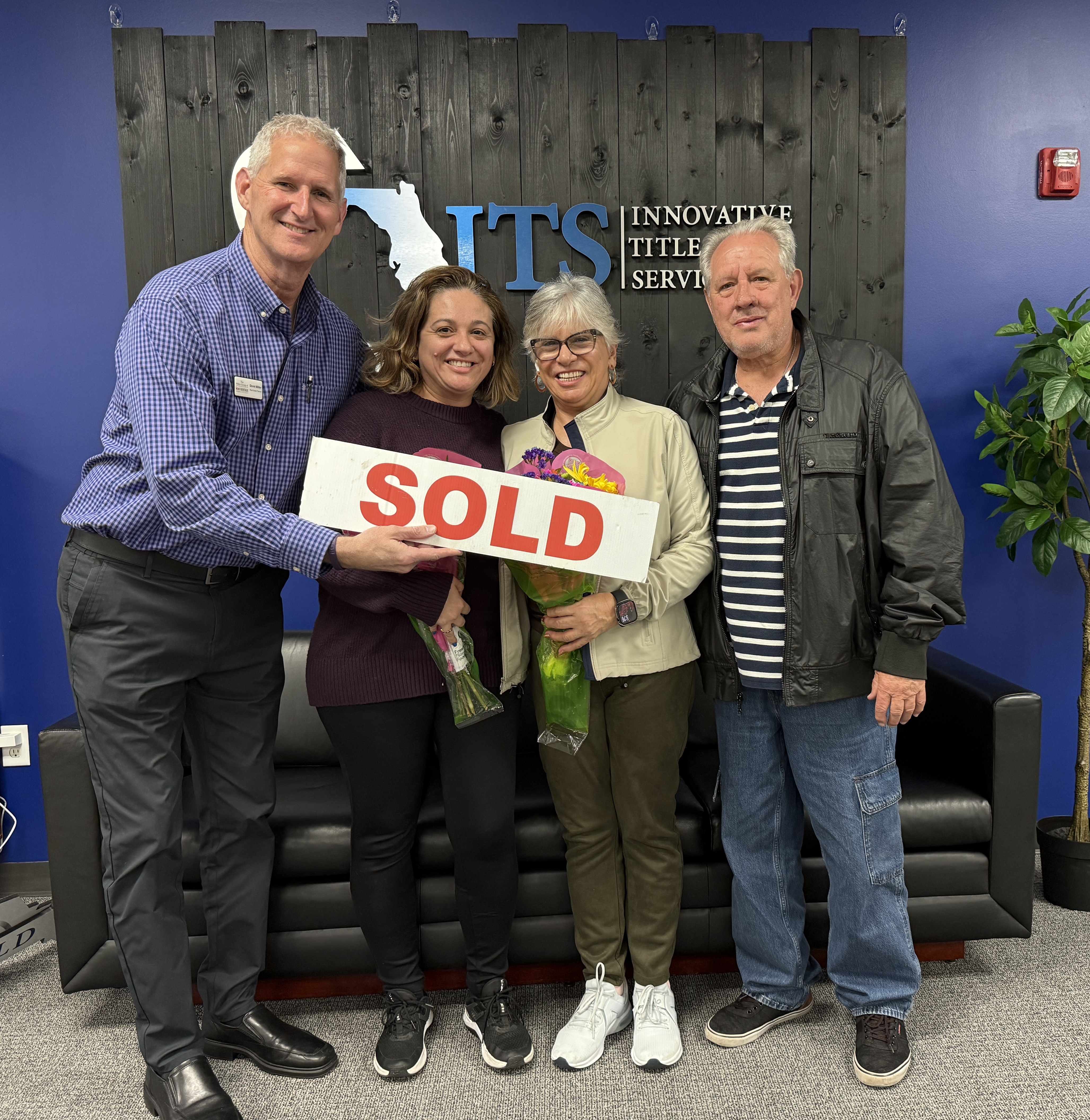
“We're a multi-generational family of six and needed to sell our home and buy a larger one at the same time. We originally tried listing ourselves and quickly got overwhelmed.
When The Miller Group by KW reached out, they stayed kind and professional even when I was frustrated.
After speaking with David, we felt confident in their expertise and hired them for both the sale and purchase. Best decision we made. The team is polite, responsive, and guided us smoothly through the entire process. Highly recommend!”
“Once I talked to him, I was able to clearly recognize the experience. It wasn't just someone trying to get my listing.”
— From the family's video testimonialThat's an important distinction.
The reason to hire an agent shouldn't simply be because you're told you aren't capable of selling your own home.
It should be because you understand the work they will take off your plate and believe that guidance will help you through your move.
Before You Decide to Sell FSBO, Ask Yourself These Questions
You don't necessarily need to start with: “Should I hire an agent?”
Start with these:
Make the decision because you understand the tradeoffs—not because someone pressured you either way.
Selling on your own may make sense for some homeowners. Working with an agent may make sense for others. The important thing is understanding what each path actually requires.
You can ask questions before you decide whether to hire us.
Tell us what you're trying to accomplish, what you've already done, and where the process feels uncertain.
We'll help you better understand what selling could look like so you can decide what makes sense for you and your family.
Frequently Asked Questions About Selling Your Home Yourself
Homeowners can choose to sell a property without hiring a listing agent. Before doing so, understand the responsibilities you'll be taking on, including pricing, preparation, marketing, showing the home, negotiating offers, managing contract deadlines and coordinating the transaction through closing.
FSBO stands for “For Sale By Owner.” It generally describes a homeowner who sells a property without hiring a listing agent to represent them in the sale.
Consider relevant recent sales, current competing listings, property condition, location, updates and the features buyers are likely to compare. An automated estimate can be a useful starting point, but it may not account for everything specific to your home or the current competition.
Think beyond simply publishing the property online. Consider photography, home preparation, listing copy, online exposure, social media, buyer communication, showings and how you'll explain the home's strongest benefits compared with competing properties.
You'll need a process for buyer inquiries, scheduling, property access, cancellations, follow-up and feedback while balancing your own work and family schedule. It's worth deciding how much notice you need and how you'll manage access before marketing the home.
Not necessarily. Purchase price is important, but financing, contingencies, concessions, inspection terms, closing dates and other conditions may affect the overall strength of an offer. Consider the complete offer in the context of your priorities.
Once a home goes under contract, there may still be inspections, financing requirements, appraisal considerations, contract deadlines, document coordination and closing preparation to manage. The exact process depends on the transaction and contract.
Your financing, equity, current market, next-home availability and desired timing can affect whether you sell first, buy first or try to coordinate both transactions. Planning both sides together before making major decisions can help you better understand the possible timing challenges.
You may decide professional help is valuable if pricing, marketing, showings, negotiations, transaction deadlines or coordinating your next purchase become difficult to manage on your own. You can also speak with an agent before deciding so you understand exactly what their process and services would include.
Ask how they arrived at their pricing recommendation, how they intend to market your property, who you'll communicate with, how they help evaluate offers, what their process looks like after the home goes under contract, and how they would approach challenges specific to your move.
Yes. You do not need to have decided to hire an agent before having a conversation. The Miller Group can help you understand your home's position, the selling process and your options so you can make an informed decision about the path that makes sense for you.
Thinking About Selling on Your Own?
You don't have to decide today whether you want to hire an agent.
Start by understanding your home, your competition, what the selling process will require and how the sale fits into your next move.
If you'd like another perspective, we're happy to talk through it with you.
Served more than 1,100 families since 2006.
