Should You Do Home Upgrades Now or Right Before You Sell?
If selling your home is somewhere on the horizon, you may already be looking around and wondering what you should fix, update or replace.
Our advice? Before you start spending money, let's figure out what your home actually needs.
You may not need to do as much as you think.
We talk with homeowners all the time who have already started making a list.
The kitchen feels dated. The floors are getting older. A few rooms could use paint. Maybe the bathroom could use an update.
And pretty quickly, a future move starts turning into a pretty expensive renovation list.
You don't need to make your house perfect to sell it.
Here's usually how this conversation starts.
A homeowner tells us they're thinking about selling. Then they start walking us through everything they think is wrong with the house.
“The kitchen's old.”
“The carpet needs to go.”
“We probably need to repaint everything.”
And before you know it, a simple plan to sell starts turning into a pretty big renovation project.
That's usually where we'd say:
Preparing a home for sale is different from remodeling a home because you're planning to live there another ten years.
If you're remodeling for yourself, do what works for your life.
If you're doing it because you think a future buyer expects it, we'd want to look at the house, the numbers and the competition first.
Here's the order we'd look at it.
Forget the giant renovation list for a minute.
We like to separate things into three buckets.
Fix it.
Something is broken, damaged or obviously needs attention.
Freshen it up.
The home is basically fine, but a little cleaning, paint or presentation would help.
Leave it alone.
It's something you don't love, but spending money on it may not make sense for the sale.
First, take care of the obvious stuff.
We're talking about things like:
Buyers don't expect every house to be brand new.
But if they start seeing one little problem after another, they may start wondering what else hasn't been taken care of.
We'd rather see a clean, well-maintained home with an older kitchen than a flashy new kitchen surrounded by problems that still need attention.
A lot of homes don't need a renovation. They need a reset.
Once the real repairs are handled, this is where we'd start looking at the house the way a buyer is going to see it.
Does it feel clean?
Does it feel bright?
Can you tell what each room is supposed to be?
Does the home feel taken care of?
None of those things sound very exciting.
But sometimes they're exactly what the house needs.
“Should we replace the floors before we sell?”
Maybe.
But we wouldn't replace them just because they're not what you would choose today.
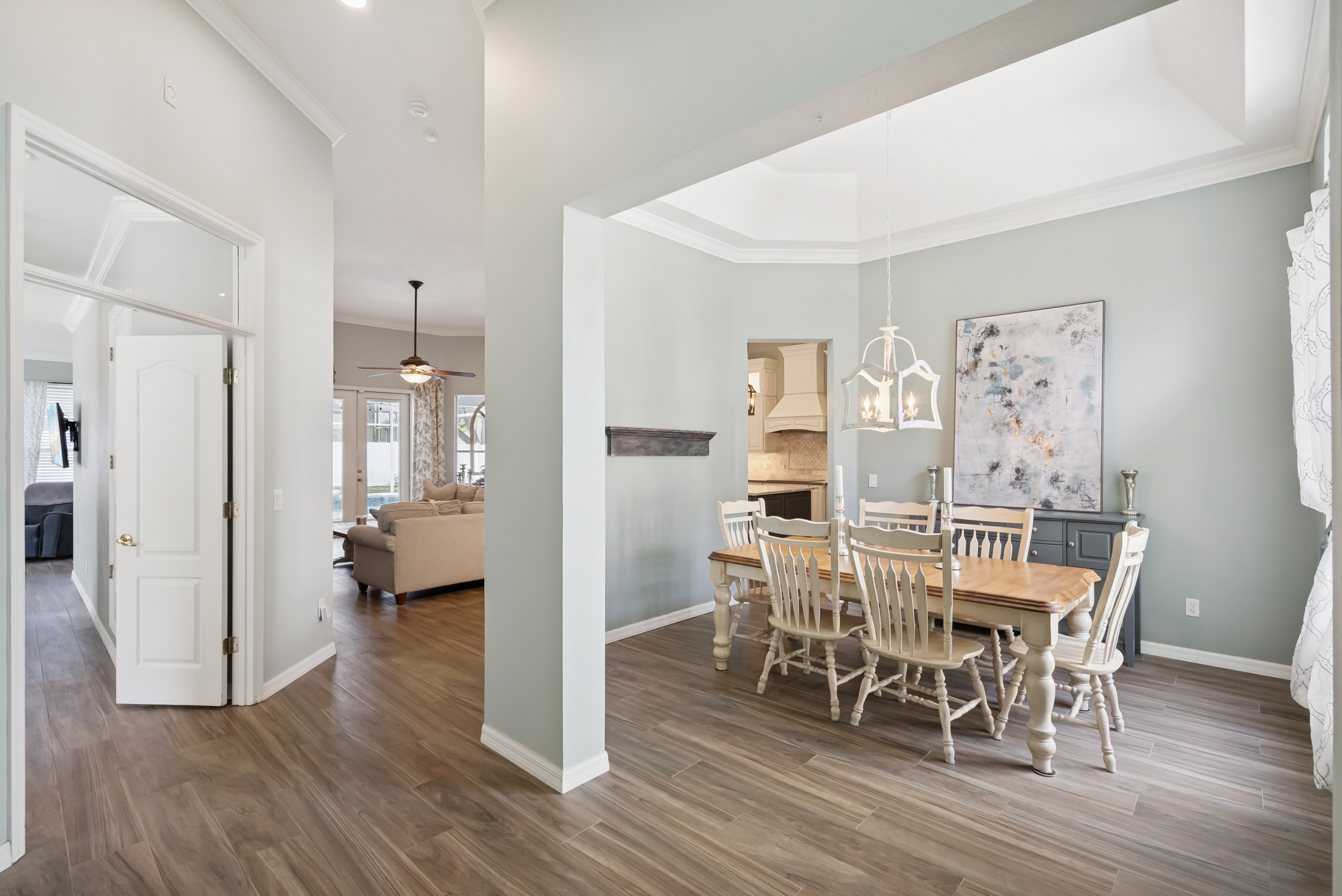
There's a difference between older flooring and flooring that's really hurting the way the house shows.
If it's badly damaged, heavily stained or there's an odor, then yes, we'd want to talk about it.
But if it's simply older?
Before you spend thousands of dollars replacing it, we'd want to answer a few questions first.
Then we'd look at what other homes in your price range have.
Sometimes the answer is replace it.
Sometimes it's clean it.
And sometimes we'd tell you not to spend the money.
“Do we need to paint the whole house?”
Not automatically.
Paint is one of those things that can make a big visual difference without tearing the house apart.
If the walls are heavily scuffed, damaged, very dark or you've got some really strong colors, it's definitely something we'd look at.
But if everything is already clean and in good condition, we're not going to tell you to repaint the whole house just because that's the generic advice sellers hear.
In the National Association of REALTORS® and National Association of the Remodeling Industry's 2025 Remodeling Impact Report, painting the entire home and painting a single interior room were among the improvements REALTORS® most frequently recommended sellers complete before listing. That doesn't mean every house needs the same work.
Don't ask, “Should sellers paint?” Ask, “Would paint make this particular home show better?”
“Should we redo the kitchen before we sell?”
This is where we'd really encourage you to slow down.
Kitchens are expensive.
And when you're getting ready to move, it's easy to convince yourself that the kitchen has to look brand new or nobody is going to want the house.
That's just not always true.
Maybe your kitchen really does need work.
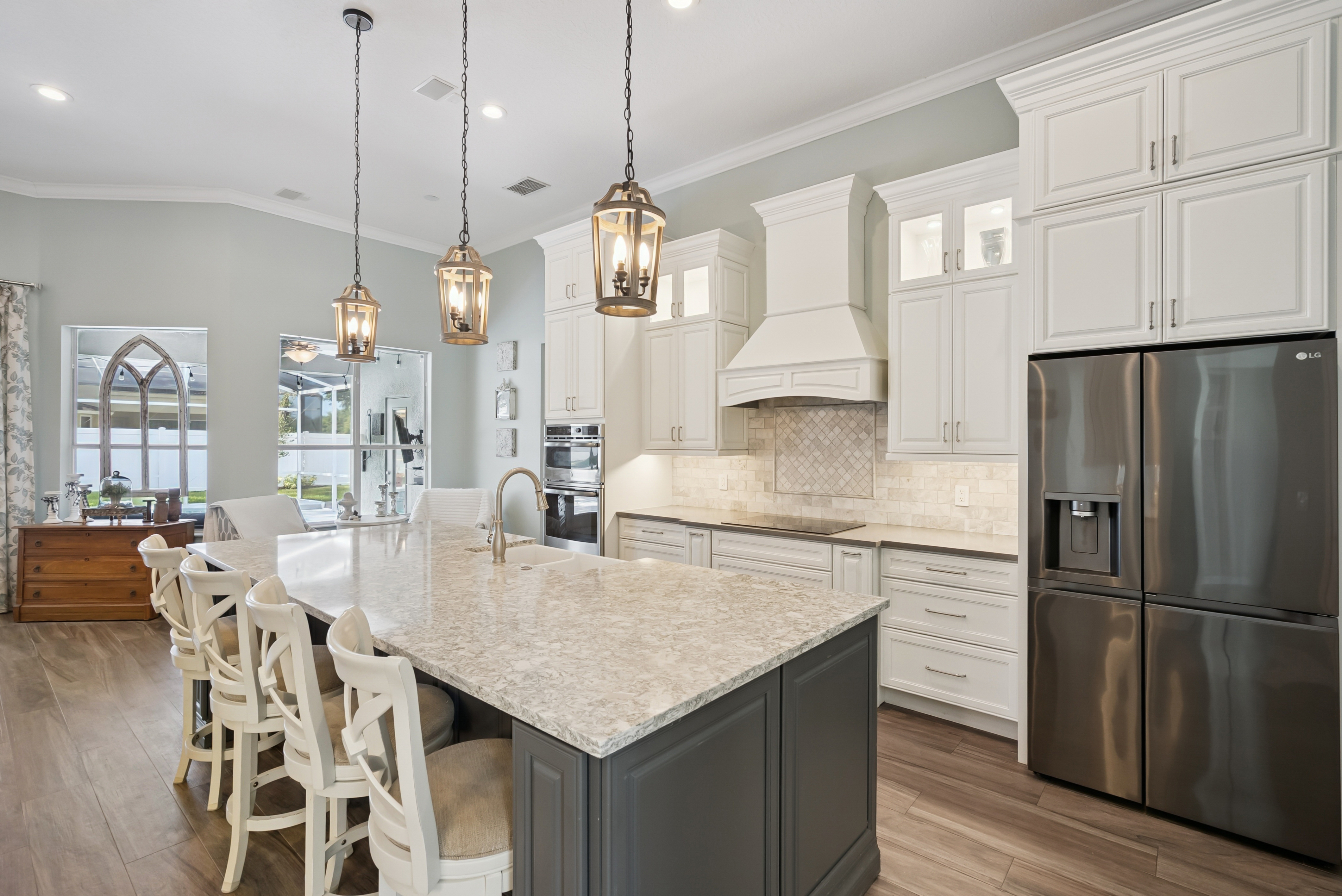
But maybe it needs a deep clean, better lighting, a few repairs and some smaller cosmetic changes.
Or maybe we look at the competition and decide a bigger update really would help.
We just wouldn't recommend starting there.
NAR's 2025 Remodeling Impact Report estimated national cost recovery at about 60% for both a complete kitchen renovation and a minor kitchen upgrade. That's a national estimate—not a guarantee of what any individual Central Florida home will gain in value.
“What if we don't want to do any of this?”
Then tell us that.
Seriously.
Maybe you're tired of dealing with the house.
Maybe you don't want contractors coming in and out.
Maybe you don't want to spend another $20,000 before you move.
That's part of the conversation too.
We can look at how the home may compete in its current condition and compare that with what it would take to improve it.
The goal isn't to force every house into the same plan.
It's to figure out which plan makes the most sense for you.
“How much should we spend before we sell?”
We wouldn't start with a number.
We'd start with the house.
Before deciding whether you should spend $2,000, $20,000 or nothing at all, here's what we'd want to know.
What could the home be worth today?
Let's understand where you're starting before adding more expenses.
What are buyers comparing it to?
If every competing home has something yours doesn't, that matters. If they don't, that matters too.
What's actually going to stand out to a buyer?
Not every little thing you notice will carry the same weight with someone seeing the house for the first time.
What will the work actually cost?
A project can sound reasonable until the real estimate comes back.
How soon do you want to move?
If you want the house on the market in three weeks, the advice may be different than if you're thinking about moving next year.
Then the advice changes.
Let's say you're probably staying another five years and you really don't like your kitchen.
Then there's no reason to make every decision around some buyer you haven't even met yet.
If improving the kitchen is going to make you enjoy the home for the next five years, that has value too.
Not every home project has to be about resale.
Once you know the answer, the decision usually gets a whole lot easier.
Let us help you make the list before you start the work.
If you're thinking about selling, we'd rather start with a walkthrough.
We'll talk about your timeline.
We'll look at the house the way a buyer is likely to see it.
We'll look at what other homes are offering.
Then we can separate everything you're thinking about into three simple lists.
These are the things that deserve attention before the home goes on the market.
These could help, but we need to see whether the cost makes sense first.
These are things you may be worried about that may not need to be your priority.
Here's where we'd start.
Find out where you stand.
Get a better idea of your home's current value and condition before deciding what to put into it.
Let's walk through the house.
Tell us what's bothering you and what you're considering. We'll help you look at it from a buyer's point of view.
Then decide what to spend.
Once you understand the house, the competition and your timeline, you can make the decision with a lot more confidence.
Your house doesn't need the same plan as your neighbor's house.
This is the part we really want homeowners to understand.
There isn't one list of renovations every seller should do.
A house with old carpet and a newer roof needs a different plan than a house with beautiful floors and a 20-year-old roof.
A home you're selling next month needs a different plan than one you're thinking about selling two years from now.
That's why our answer usually isn't:
“Yes, replace it.”
Or:
“No, don't touch it.”
It's more like:
Let us see the house first. Let's look at your options. Then we'll figure out what actually makes sense for you.
Buyers aren't walking in looking at one countertop, one floor or one paint color. They're experiencing the whole home.
Still wondering what you should do?
These are some of the questions that usually come up when homeowners start thinking about getting a house ready to sell.
We'd start with known problems and anything that's obviously broken or damaged. After that, we'd look at presentation—cleaning, decluttering, paint, lighting and flooring—and compare your home with the homes buyers will be seeing alongside it.
No. Some homes benefit from larger improvements. Others really just need repairs, cleaning and a few targeted updates. We wouldn't assume you need a renovation until we've looked at the home and the overall selling strategy.
Maybe, but that's not where we'd start. We'd first look at the kitchen's condition, what competing homes offer, how much the project will cost and how soon you want to sell. Sometimes smaller changes are enough.
If it's badly damaged, heavily stained or has noticeable odors, we'd definitely want to talk about it. If it's simply older, replacement isn't automatic. Cleaning, repair, refinishing or leaving it alone may also make sense.
Not necessarily. We'd pay particular attention to heavy scuffs, damaged walls, strong colors and rooms that feel dark or tired. If the paint is already clean and in good shape, the whole house may not need repainting.
That's an option we can evaluate. We'd compare how the home may compete in its current condition with the cost, time and inconvenience involved in completing improvements.
There's no one number that's right for every house. We'd rather start with your home's current value, condition, competition and timeline, then decide which individual projects are worth considering.
Absolutely. You don't have to be ready to list. In many cases, having the conversation earlier gives you more time to decide what makes sense without rushing into projects right before the sale.
That's a great time to start talking. We can identify things that may deserve attention now and separate them from cosmetic work that may make more sense closer to the time you actually list.
Before you start spending, let's look at the house.
You don't have to be ready to sell.
If moving is somewhere on your radar, let's start with a conversation.
We'll help you think through what may be worth doing, what can wait and what you may not need to spend money on at all.
Then you can decide what makes sense for you.
